
Member News
When Community Leadership Prevents Hunger, Our Workforce Grows Stronger. | Lutheran Social Services
July 14th, 2026
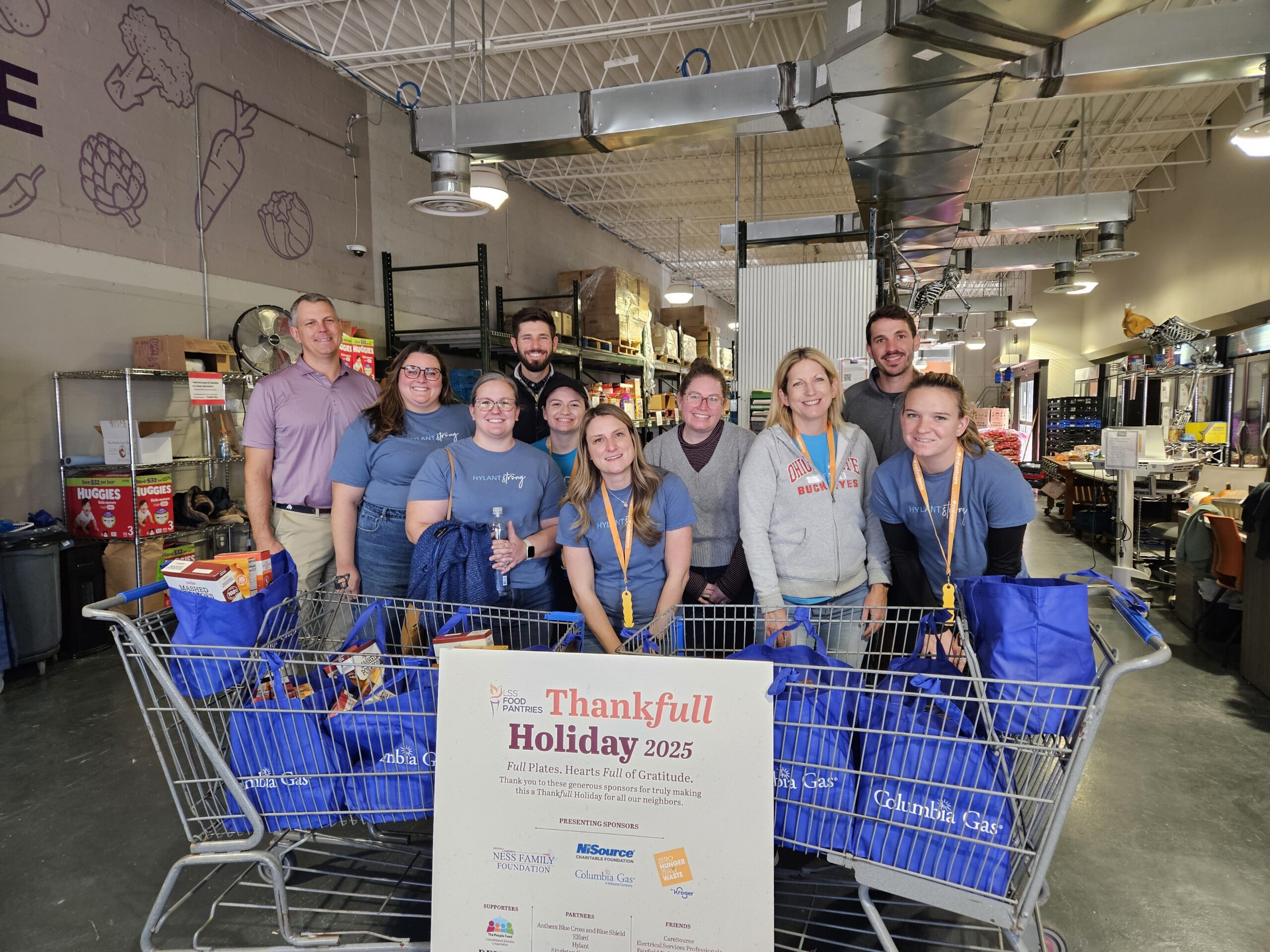
This summer, a group of volunteers reminded us what community leadership looks like — and why it matters to the economic health of Columbus.
Across Ohio, nonprofits are facing difficult decisions as government funding continues to shrink. Organizations are being asked to do more with fewer resources, and the ripple effects extend far beyond social services. Mid‑Ohio Food Collective recently announced changes to its fresh produce market program in response to significant reductions in public support. For many neighborhoods, those changes mean losing access to healthy food families have relied on for years.
One of the affected sites is the Lutheran Social Services Food Pantries distribution serving the Linden community. When volunteers learned the market would not operate this summer, they stepped in immediately. They raised the funds needed to keep fresh produce flowing to families during the months when children are out of school and household budgets are stretched thin.
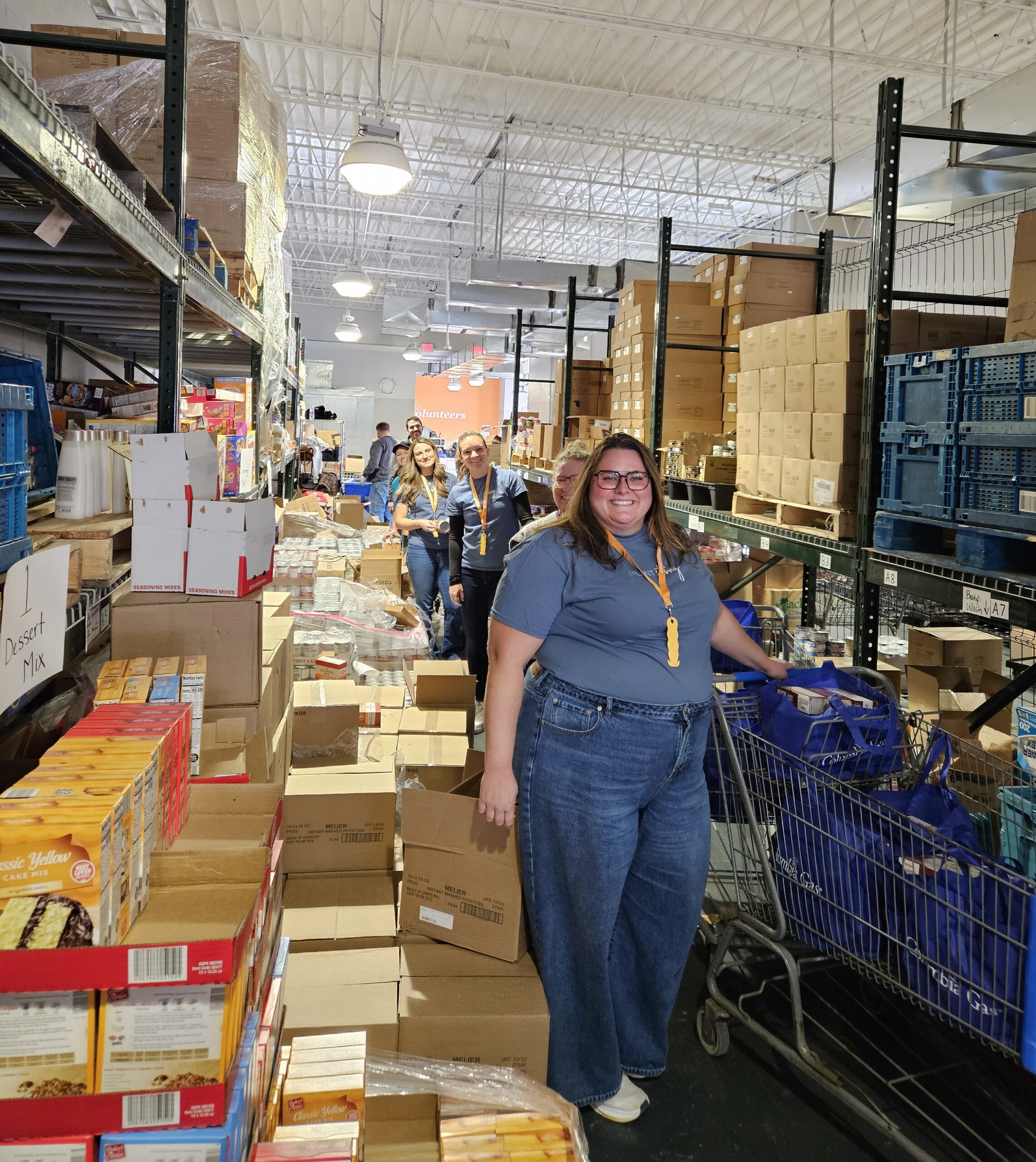
Their leadership didn’t just prevent hunger. It strengthened the stability of families who make up Columbus’s workforce.
Summer is a critical period for food access. When school cafeterias close, many children lose the free breakfasts and lunches they depend on. For families already navigating rising costs, fresh fruits and vegetables can quickly become unaffordable. Food insecurity doesn’t stay at home — it affects attendance, productivity, stress levels and long‑term economic mobility.
That’s why this story matters to the business community.
It illustrates a larger truth: nonprofits cannot meet growing needs alone. As funding declines and demand increases, the strength of our regional economy increasingly depends on cross‑sector leadership. Employers, civic partners and residents all have a role to play in ensuring families have access to the basics that make workforce participation possible.
We need volunteers. We need donors. We need advocates who understand how policy decisions — including proposed SNAP reductions — directly affect the stability of 1.5 million Ohioans. And we need business leaders who recognize that food access is not just a social issue; it’s an economic one.
The volunteers who stepped forward in Linden demonstrated something powerful: when people see a need and choose to act, hope doesn’t disappear. It grows. Their example is a reminder that community resilience — and economic resilience — are strongest when all of us work together to ensure families have what they need to thrive.
If you’d like to get involved in the fight against hunger as an individual or with your business, please see the LSS website for more information on donating food or making a financial gift.